How to Build a Career in IAM: Step-by-Step Guide
 Apr 27, 2026
 01:27 PM
Identity and Access Management (IAM) has become one of the most critical areas in modern cybersecurity. As businesses move to cloud-based systems and digital platforms, controlling who has access to what data is no longer optional—it’s essential.
If you’re looking to build a stable, high-paying career in cybersecurity, IAM is a smart and future-proof choice. This step-by-step guide will walk you through how to enter the field, develop the right skills, and land your first job.
What is IAM in Cyber Security?
Identity and Access Management (IAM) is a framework of policies and technologies that ensures the right individuals have the appropriate access to systems, applications, and data.
IAM professionals are responsible for:
- Managing user identities
- Controlling access permissions
- Preventing unauthorized access
- Ensuring compliance with security standards
With rising cyber threats, companies across industries are actively hiring IAM specialists.
Why Choose a Career in IAM?
IAM is not just another IT role—it’s a specialized field with strong demand and long-term growth.
Here’s why it stands out:
- High Demand: Organizations are prioritizing security more than ever
- Competitive Salaries: IAM roles often offer above-average IT salaries
- Career Growth: Opportunities to move into advanced cybersecurity roles
- Job Stability: Security professionals are always needed
If you're aiming to join the Best IT Training Program in Dallas, choosing IAM can open doors to multiple career paths.
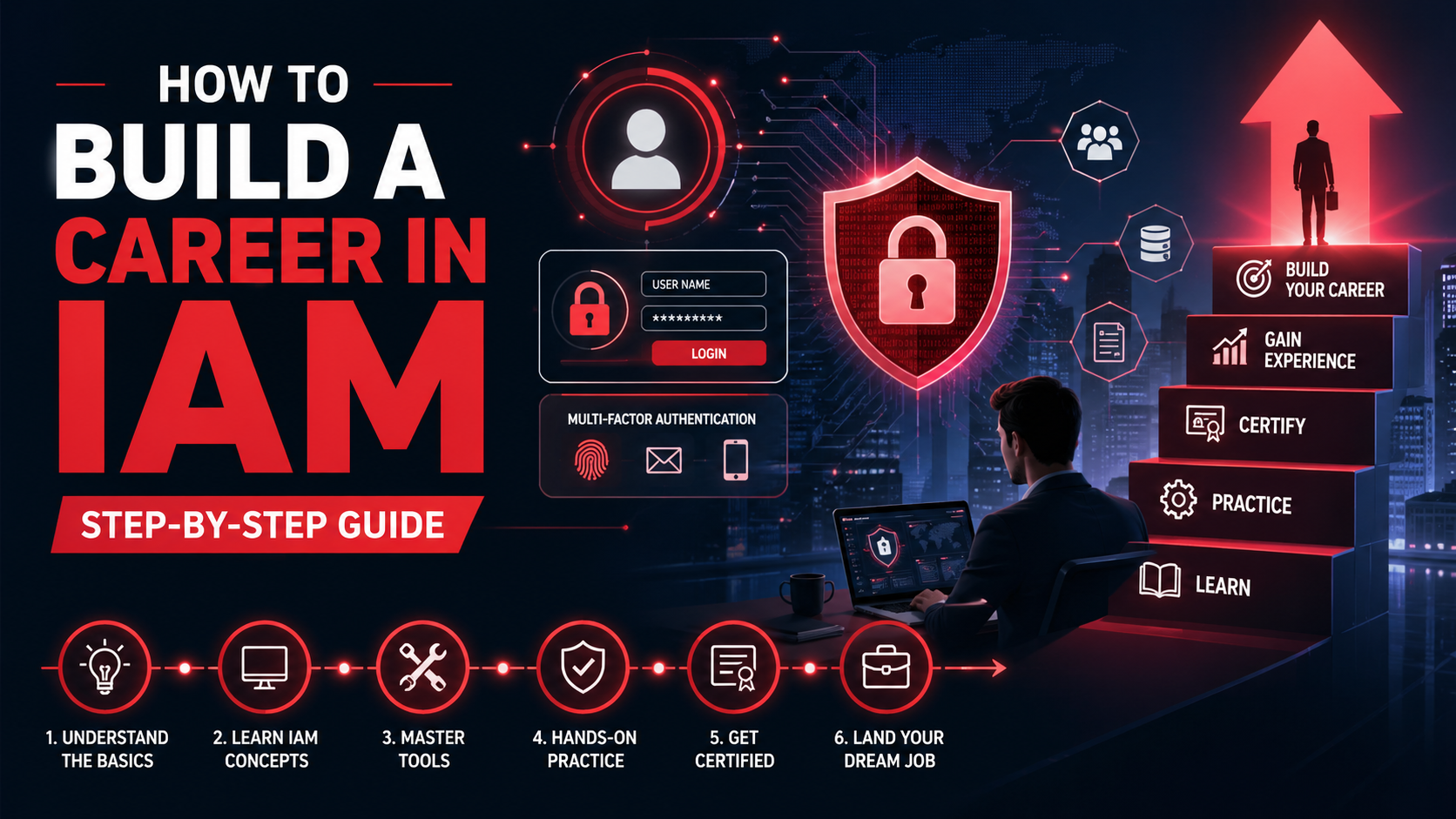
Step-by-Step Guide to Building a Career in IAM
Step 1: Understand the Basics of IT and Security
Before diving into IAM, you need a foundation in:
- Networking concepts
- Operating systems (Windows/Linux)
- Basic cybersecurity principles
This knowledge helps you understand how systems communicate and where security risks exist.
Step 2: Learn Core IAM Concepts
Focus on the fundamentals of IAM, including:
- Authentication vs Authorization
- Role-Based Access Control (RBAC)
- Multi-Factor Authentication (MFA)
- Identity lifecycle management
Understanding these concepts is essential for any entry-level IAM role.
Step 3: Get Hands-On Training
Theory alone won’t get you hired. Employers look for practical experience.
Enrolling in a structured Cyber Security (IAM) Course can significantly speed up your learning process. A well-designed program will provide:
- Real-world scenarios
- Practical tools and platforms
- Guided projects
👉 You can explore a complete hands-on program here: https://www.dfwitcareer.com/course/cyber-security-iam
Step 4: Learn Popular IAM Tools
To stand out, you should gain experience with industry tools such as:
- Okta
- Azure Active Directory
- SailPoint
- CyberArk
Even basic familiarity with these tools can give you an edge in job interviews.
Step 5: Work on Real Projects
Build practical experience by:
- Creating user access control systems
- Simulating login authentication processes
- Managing permissions in test environments
This helps you demonstrate your skills to employers with confidence.
Step 6: Build a Strong Resume and Portfolio
Highlight:
- Your IAM training
- Tools you’ve worked with
- Real or simulated projects
- Certifications (if any)
A well-structured resume can make a huge difference, especially for entry-level candidates.
Step 7: Apply for Entry-Level Roles
Start with roles like:
- IAM Analyst
- Security Analyst
- Help Desk (with security focus)
Many professionals begin with support roles and transition into IAM as they gain experience.
Why Choose DFW IT Career for IAM Training?
Choosing the right training provider is just as important as choosing the right career path.
DFW IT Career is known for delivering practical, job-focused training designed for real-world success.
Here’s what makes it stand out:
- Industry-experienced instructors
- Hands-on learning approach
- Career guidance and support
- Focus on job-ready skills
If you're searching for the Best IT Training Program in Dallas, this is a reliable place to start your journey.
Career Opportunities After IAM Training
After completing a Cyber Security (IAM) Course, you can explore roles such as:
- IAM Analyst
- Identity Administrator
- Security Operations Analyst
- Access Management Specialist
With experience, you can move into advanced roles like:
- IAM Engineer
- Security Architect
- Cybersecurity Consultant
Final Thoughts
Building a career in IAM doesn’t require years of experience—it requires the right direction, consistent learning, and practical training.
Start with the basics, invest in hands-on learning, and focus on real-world skills. With the growing demand for cybersecurity professionals, IAM offers a clear and rewarding path.
If you're serious about entering this field, taking the first step with a structured training program can make all the difference.
FAQs
1. What is IAM in cybersecurity?
IAM (Identity and Access Management) controls user access to systems and ensures only authorized individuals can access sensitive data.
2. Is IAM a good career choice?
Yes, IAM is a high-demand field with strong salary potential and long-term job security.
3. Do I need coding skills for IAM?
Basic scripting knowledge can help, but many IAM roles focus more on tools and access management rather than heavy coding.
4. How long does it take to learn IAM?
With focused training, you can gain job-ready IAM skills within a few months.
5. Where can I learn IAM in Dallas?
You can enroll in a professional Cyber Security (IAM) Course offered by DFW IT Career, one of the Best IT Training Programs in Dallas.